 Alok Vivan
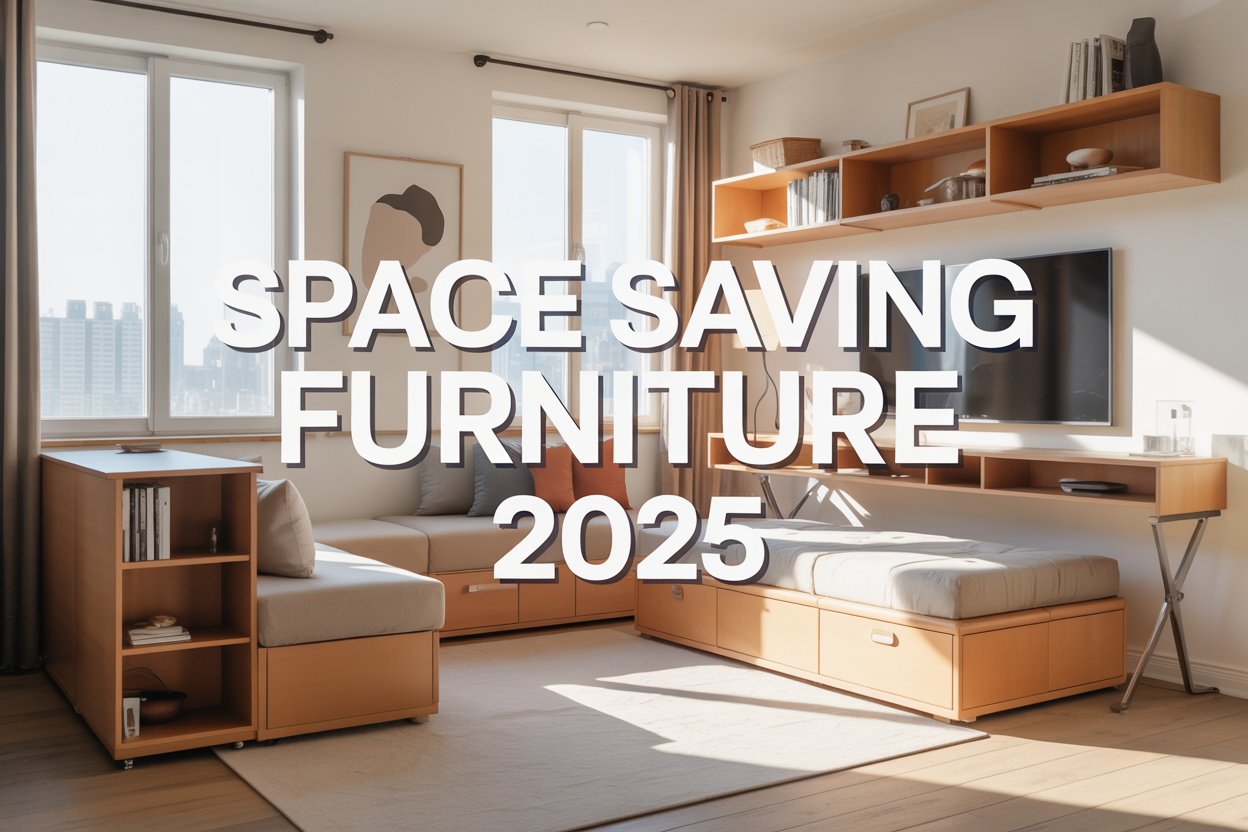
Living in a small apartment doesn’t mean sacrificing style or functionality. This guide is perfect for urban dwellers, young professionals, and anyone dealing with limited square footage who wants to make their space work smarter, not harder.
Small apartments में space saving करें with the right multifunctional furniture designs that serve double duty without breaking your budget. Smart furniture choices can transform cramped quarters into organized, livable spaces that feel surprisingly spacious.
We’ll explore convertible seating solutions that adapt to your daily needs and smart storage furniture that keeps clutter hidden while adding to your decor. You’ll also discover innovative kitchen pieces and bedroom furniture designs that maximize every square foot of floor space you have available.
Understanding Small Apartment Space Challenges
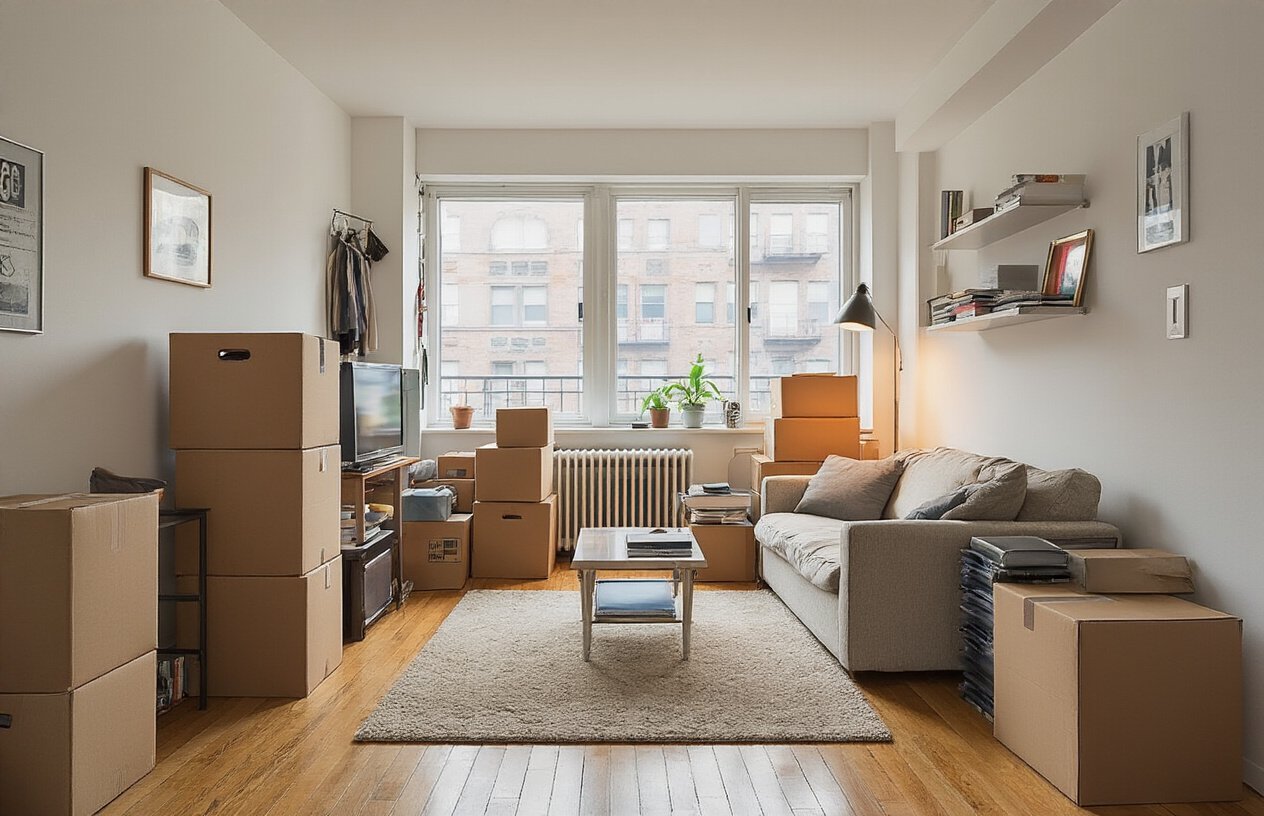
Common Space Constraints in Urban Apartments
Urban apartments face unique spatial challenges that require creative solutions. Most city dwellings average between 300-800 square feet, forcing residents to make every inch count. Single rooms often serve multiple purposes – bedrooms double as offices, living rooms transform into dining areas, and kitchens barely accommodate essential appliances.
Key constraint areas include:
- Limited floor space for furniture placement
- Insufficient storage for seasonal items and belongings
- Narrow hallways that restrict furniture movement
- Low ceilings that limit vertical storage options
- Minimal closet space for clothing and linens
- Shared walls that restrict renovation possibilities
Psychological Impact of Cluttered Living Spaces
Cramped, disorganized environments directly affect mental well-being and daily productivity. Research shows that cluttered spaces increase cortisol levels, leading to heightened stress and anxiety. When belongings lack designated storage spots, visual chaos creates constant mental noise that disrupts focus and relaxation.
Psychological effects include:
- Increased feelings of overwhelm and helplessness
- Reduced ability to process information effectively
- Higher stress levels during daily routines
- Decreased motivation for home maintenance
- Impaired sleep quality due to visual distractions
- Social embarrassment when hosting guests
Clean, organized spaces promote better decision-making and emotional stability. People living in well-organized small apartments report higher satisfaction levels and improved relationships compared to those in cluttered environments.
Financial Benefits of Maximizing Existing Space
Smart space optimization eliminates the need for costly moves to larger apartments or expensive storage unit rentals. Urban rent prices continue climbing, making efficient use of current square footage a valuable financial strategy.
Cost savings include:
| Expense Category | Monthly Savings | Annual Impact |
|---|---|---|
| Larger apartment rent | $200-800 | $2,400-9,600 |
| External storage unit | $50-200 | $600-2,400 |
| Duplicate purchases | $30-100 | $360-1,200 |
| Moving costs | N/A | $500-3,000 |
Multifunctional furniture represents a one-time investment that provides long-term value. Quality pieces that serve dual purposes often cost less than purchasing separate items for each function. Smart storage solutions also prevent duplicate purchases by keeping existing items visible and accessible.
Storage vs Living Area Balance Requirements
Successful small apartment living requires strategic balance between storage needs and livable space. The 60-40 rule works well: dedicate 60% of space to active living areas and 40% to storage solutions that don’t interfere with daily movement.
Optimal balance strategies:
- Identify peak usage times for different areas
- Prioritize storage for frequently used items
- Create flexible zones that adapt throughout the day
- Maintain clear pathways between essential areas
- Reserve prime real estate for daily activities
Vertical storage maximizes capacity without sacrificing floor space. Wall-mounted shelving, tall cabinets, and ceiling-height storage keep belongings organized while preserving room for furniture and movement. The key lies in selecting storage solutions that integrate seamlessly with living functions rather than competing against them.
Essential Principles of Space-Saving Design
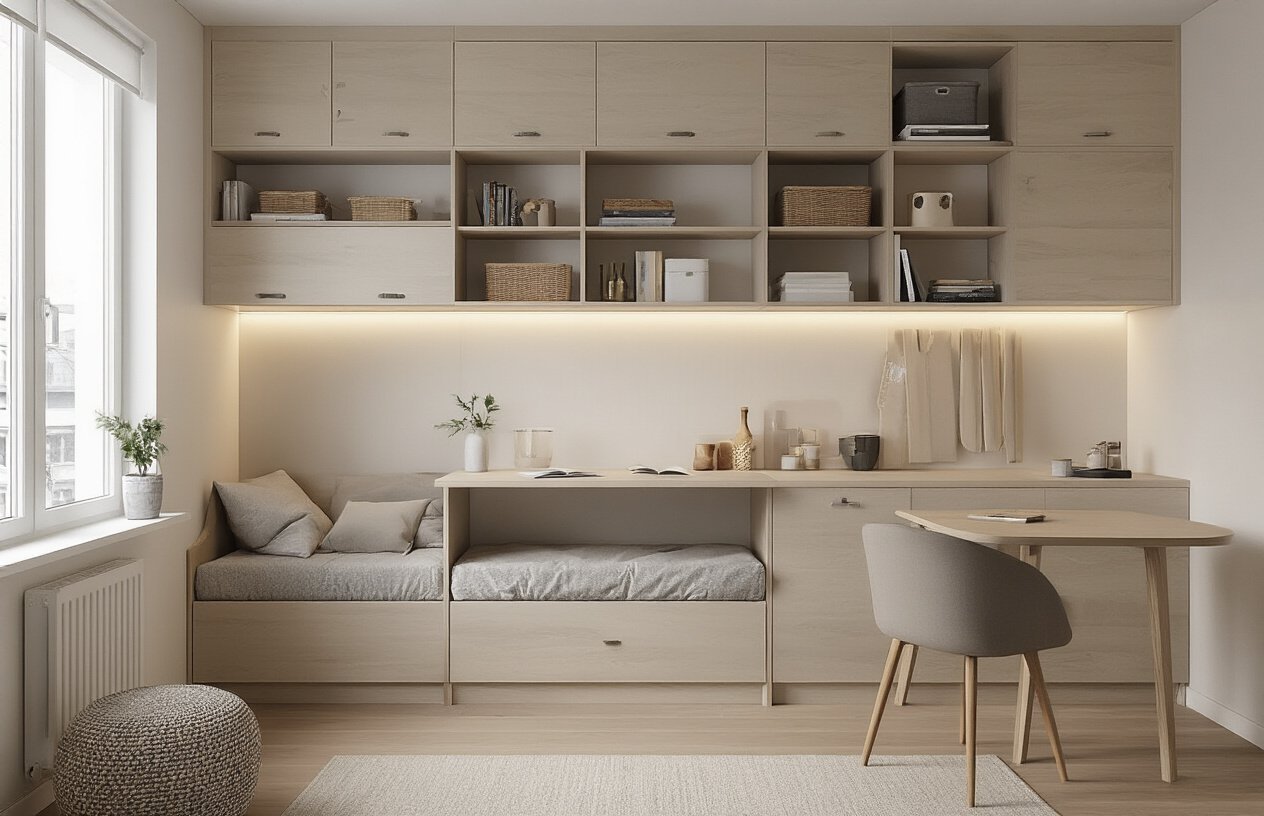
Vertical Space Utilization Strategies
When floor space is limited, look up. Your walls and ceiling areas offer incredible potential for storage and functionality. Wall-mounted shelves that extend from floor to ceiling create dramatic storage without eating up precious square footage. Choose floating shelves with varying depths to accommodate different items while maintaining a clean aesthetic.
Tall, narrow furniture pieces work better than wide, short ones in small spaces. A slim bookcase that reaches the ceiling stores more than a chunky coffee table with drawers. Consider furniture that stacks or hangs – wall-mounted desks that fold down, hanging planters, or vertical shoe organizers that slip behind doors.
Ceiling-mounted storage tracks in bedrooms can hold seasonal clothes or rarely used items. In kitchens, magnetic knife strips, hanging pot racks, and ceiling-mounted herb gardens free up valuable counter and cabinet space. Even bathroom walls can accommodate towel ladders or over-toilet storage cabinets.
Multi-Zone Functionality Concepts
Smart small spaces serve multiple purposes throughout the day. Your dining table becomes a workspace during office hours, then transforms back for evening meals. Ottoman storage cubes work as coffee tables, extra seating for guests, and hidden storage for blankets or games.
Room dividers that double as storage units create separate zones without permanent walls. A tall bookshelf can separate your sleeping area from your living space while providing storage for both areas. Folding screens with built-in shelves offer the same benefit with added flexibility.
Think about timing when planning multi-zone spaces. Your bedroom might serve as a yoga studio in the morning, a quiet reading nook in the afternoon, and a sleeping sanctuary at night. Furniture on wheels makes these transitions seamless – rolling carts, mobile desks, and moveable storage units adapt to your changing needs throughout the day.
Visual Space Expansion Techniques
Mirrors are your secret weapon for making spaces feel larger than they actually are. Place a large mirror opposite a window to double natural light and create the illusion of depth. Mirrored furniture surfaces or cabinet doors achieve similar effects while providing necessary storage.
Light colors and consistent color schemes make rooms feel more spacious. White or light-colored furniture reflects light and creates visual continuity. Avoid heavy, dark pieces that visually weigh down a room. Clear acrylic or glass furniture maintains sightlines while providing function.
Strategic lighting eliminates dark corners that make spaces feel cramped. Layer different light sources – overhead fixtures, table lamps, and accent lighting – to create depth and interest. Under-cabinet lighting in kitchens and LED strips behind furniture add ambient light without taking up space.
Keep sightlines clear by choosing furniture with legs rather than pieces that sit directly on the floor. This creates the impression of floating furniture and allows you to see more floor space, making the room feel larger.
Convertible Seating Solutions for Maximum Utility
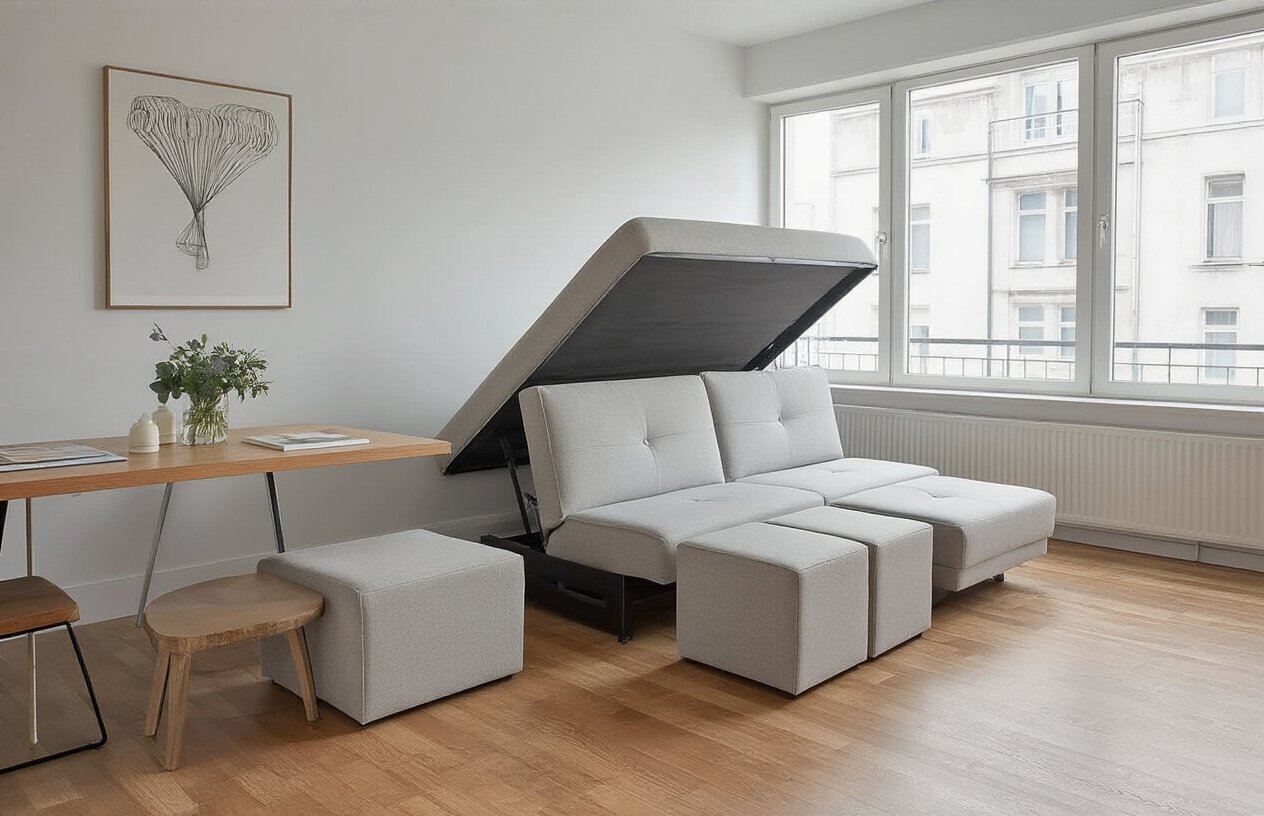
Ottoman Storage Benches with Hidden Compartments
Ottoman storage benches are absolute game-changers for small apartments. These versatile pieces work as extra seating when friends come over, double as coffee tables for your evening snacks, and secretly store all those things you need but don’t know where to put. The hidden compartments can hold everything from throw blankets and pillows to books, remotes, and seasonal items.
Look for ottomans with soft-close hinges that won’t slam shut on your fingers. The best ones come with removable tops that you can flip to create a tray surface for drinks or snacks. Fabric options range from easy-to-clean microfiber to luxurious velvet, while leather versions add a sophisticated touch that works with almost any decor style.
Size matters when picking your ottoman. A large rectangular piece can seat two people and store bulky items like comforters, while smaller round ottomans fit perfectly in corners and work great for storing smaller items like charging cables, magazines, or craft supplies.
Sofa Beds with Integrated Side Tables
Modern sofa beds have come a long way from those uncomfortable metal-frame monsters your grandparents owned. Today’s designs feature memory foam mattresses that rival regular beds, and many come with built-in side tables that flip out when you need them.
The side tables often include cup holders, USB charging ports, and small storage compartments for phones, glasses, or bedtime reading. Some models feature pull-out drawers underneath the seating area, perfect for storing extra bedding or pillows. The key is finding one where the transformation from sofa to bed feels smooth and doesn’t require moving heavy cushions around.
When shopping, test the mechanism multiple times. A good sofa bed should convert easily with one person, and the mattress should feel comfortable for regular sleep, not just emergency guests. Look for models with independently reclining sections so one person can nap while another sits normally.
Modular Seating Systems with Reconfigurable Layouts
Modular seating systems are like building blocks for adults. These pieces let you create different arrangements depending on what you need. Start with a few basic pieces and add more over time as your space or needs change.
The beauty lies in their flexibility. Today your modules might form a traditional L-shaped sectional for movie night, but tomorrow you can separate them into individual chairs for a dinner party. Many systems include storage ottomans, corner pieces with built-in tables, and even sections with reclining features.
Quality modular systems use strong connecting hardware that keeps pieces secure but allows easy reconfiguration. Look for systems where all pieces are the same height and depth so they align perfectly in any configuration. Some brands offer wheeled bases, making rearrangement even easier.
Wall-Mounted Fold-Down Chairs
Wall-mounted fold-down chairs are perfect for spaces that need occasional seating without permanent furniture taking up floor space. These chairs mount securely to wall studs and fold flat against the wall when not needed, creating almost no visual impact.
Installation requires finding wall studs for proper support, but most chairs come with detailed instructions and mounting hardware. The best designs fold down smoothly and lock into position automatically. Look for padded seats and backs for comfort during longer sitting sessions.
Consider placement carefully. Mount them at standard chair height (about 18 inches from the floor) and ensure there’s enough clearance when folded down. Some models include small shelves or hooks that remain accessible even when the chair is folded up, adding extra functionality to your wall space.
Smart Storage Furniture That Doubles as Decor
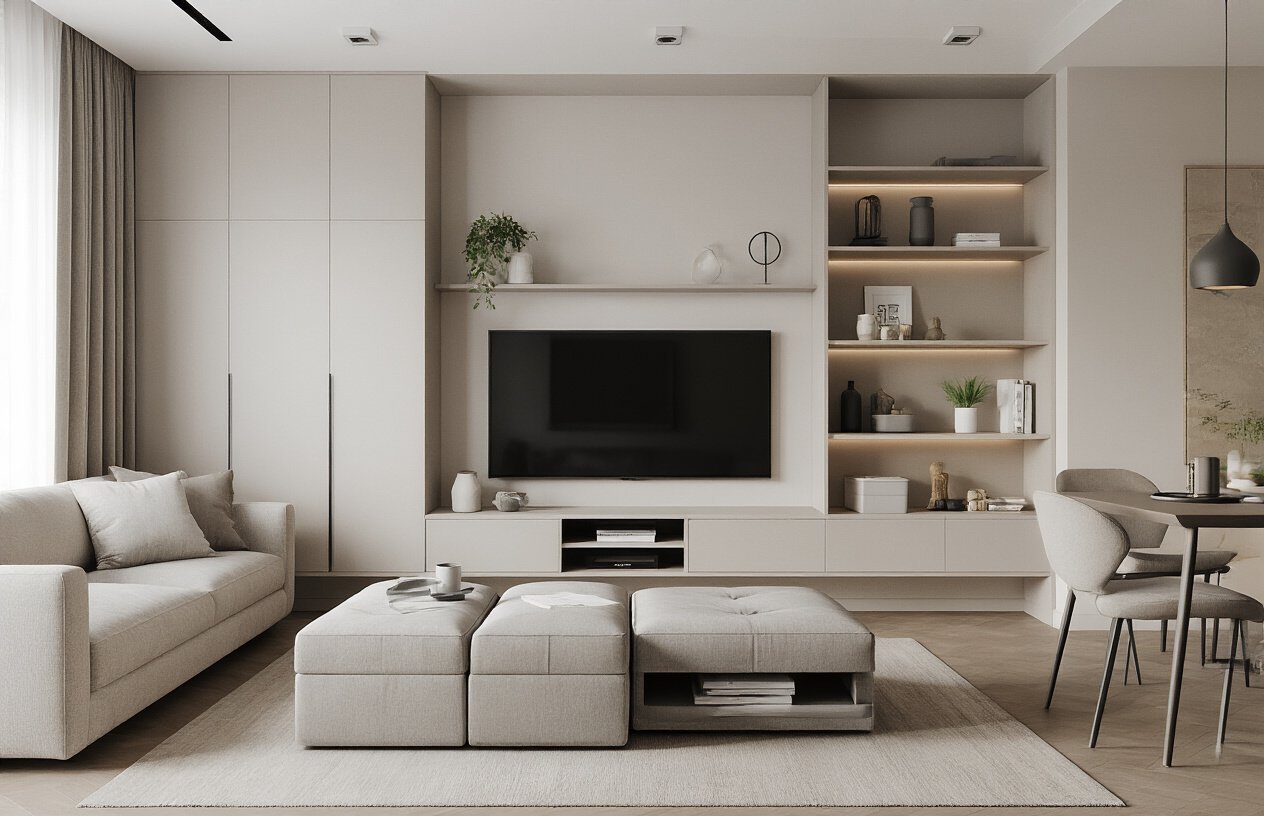
Coffee Tables with Built-in Storage Drawers
Coffee tables with hidden storage compartments are absolute game-changers for small apartments. These clever pieces serve as your living room centerpiece while secretly housing everything from remote controls to magazines, board games, and seasonal decorations. Modern designs feature sleek sliding drawers or lift-top surfaces that reveal spacious storage areas underneath.
Ottoman-style coffee tables with removable tops work double duty as extra seating when guests visit. Look for options with soft upholstered surfaces that complement your decor while hiding blankets, pillows, or even shoes inside. Some designs include multiple smaller compartments, perfect for organizing smaller items like chargers, keys, or reading materials.
Wooden coffee tables with built-in shelving offer an open display option for books and decorative items while keeping clutter contained. Glass-top versions with storage underneath create an illusion of more space while maintaining functionality. Many contemporary designs incorporate wireless charging stations and USB ports, eliminating cord clutter on your table surface.
When choosing storage coffee tables, measure your space carefully and consider traffic flow around the piece. Round tables work better in tight spaces, while rectangular options maximize storage capacity.
Bed Frames with Under-Mattress Storage Compartments
Platform beds with built-in storage eliminate the need for separate dressers or bulky wardrobes. These smart designs feature deep drawers that slide out smoothly from underneath your mattress, providing ample space for clothing, bedding, shoes, and personal items. Some models include multiple compartments on both sides, effectively doubling your bedroom storage capacity.
Hydraulic lift beds reveal massive storage areas beneath the entire mattress surface. These space-saving marvels can store seasonal clothing, extra bedding, suitcases, or anything you don’t need daily access to. The gas-assist mechanisms make lifting even heavy mattresses effortless, while safety hinges prevent accidental closure.
Captain’s beds with built-in storage work particularly well in studio apartments or guest rooms. These raised platform designs often include stairs with individual storage compartments or large side cabinets that function as nightstands. Some versions incorporate desks or seating areas underneath, creating complete living zones.
Storage headboards add vertical organization without taking up floor space. These designs feature shelves, cubbies, or hidden compartments perfect for books, alarm clocks, and personal items you want within arm’s reach.
Entertainment Units with Concealed Organization Systems
Modern entertainment centers do much more than hold your TV. Today’s designs incorporate cable management systems, hidden compartments for gaming consoles, and adjustable shelving that adapts to your changing needs. Many feature doors or panels that completely conceal electronics when not in use, maintaining a clean, minimalist appearance.
Floating media consoles create visual space by keeping floor areas clear while providing substantial storage. These wall-mounted units often include soft-close drawers and adjustable shelves that accommodate various electronics sizes. Some designs integrate LED lighting systems that enhance your viewing experience while highlighting decorative items.
Modular entertainment systems let you customize storage based on your specific needs. Start with basic components and add shelving units, cabinets, or display cases as your collection grows. This flexibility proves invaluable in small apartments where needs change frequently.
Corner entertainment units maximize often-wasted space while providing surprising amounts of storage. These triangular designs fit perfectly into room corners and often include both open shelving for display items and closed storage for less attractive necessities like cables, manuals, and backup electronics.
Look for units with adjustable shelving, proper ventilation for electronics, and cord management features that keep cables organized and hidden from view.
Innovative Kitchen and Dining Space Savers
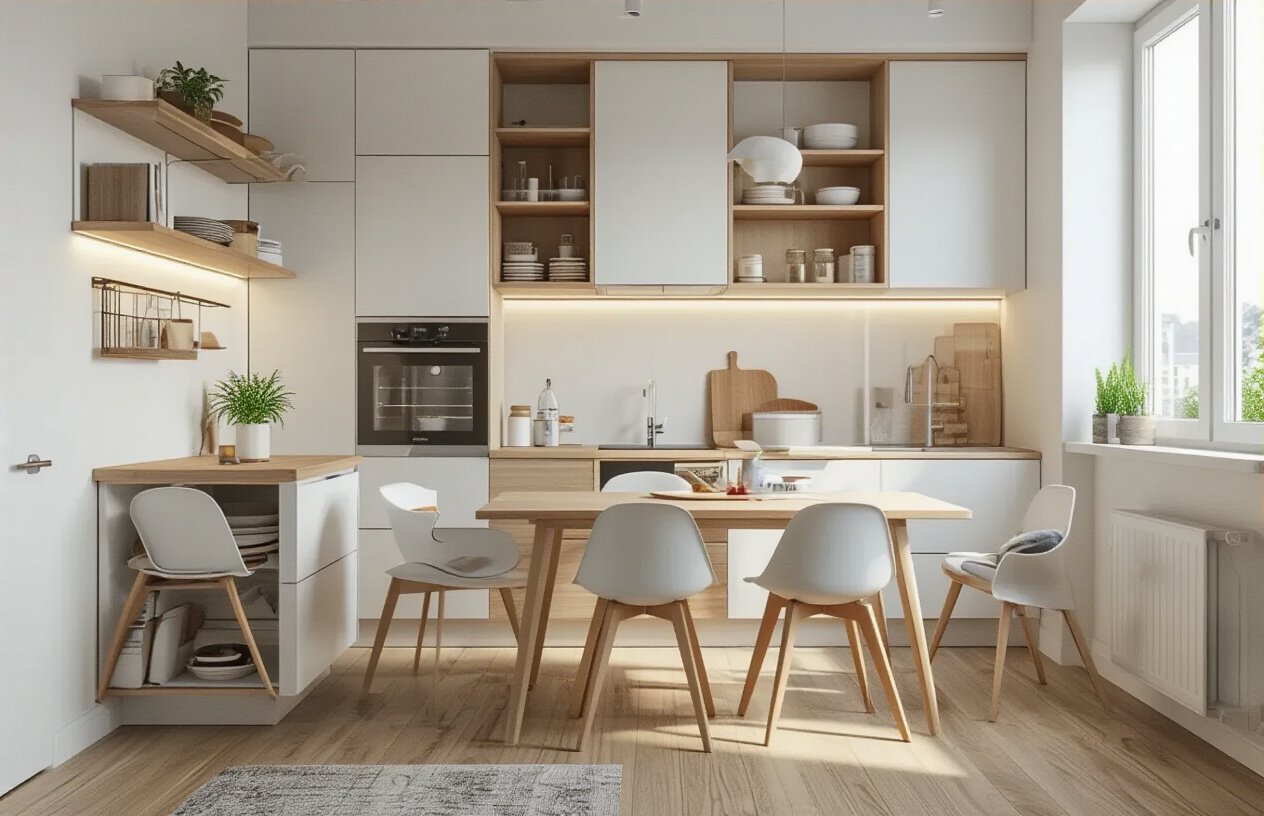
Expandable dining tables with leaf extensions
Dining tables that grow and shrink on demand are game-changers for small apartments. Drop-leaf tables start compact for everyday use but transform into proper dining surfaces when friends visit. The leaves fold down flat against the base when not needed, taking up minimal floor space. Round pedestal tables with butterfly leaves work especially well since you can push them against walls during regular days, then center them and expand for dinner parties.
Modern versions come with smooth-gliding mechanisms that make extension effortless. Look for tables where the leaves store within the table itself – no hunting for pieces in closets. Some designs even include built-in storage compartments underneath for placemats, napkins, or serving pieces.
Kitchen islands on wheels with storage
Rolling kitchen islands bring flexibility that fixed installations can’t match. These mobile units provide extra counter space exactly where you need it, then roll away to create walking room. The best designs pack serious storage punch – deep drawers for pots and pans, open shelving for everyday items, and towel bars on the sides.
Choose islands with locking wheels to prevent unwanted movement during food prep. Butcher block tops handle heavy chopping, while stainless steel surfaces resist stains and heat. Some models include electrical outlets, transforming them into coffee stations or mobile workbenches for small appliances.
Wall-mounted drop-leaf breakfast bars
These space-saving marvels attach directly to your wall, creating instant dining surfaces without permanent floor commitment. When folded down, they disappear completely, leaving your kitchen feeling open and spacious. The hinged design supports surprising weight when properly mounted to wall studs.
Position them at bar height with tall stools that slide underneath, or choose standard table height for regular chairs. Some versions include small storage shelves or hooks for coffee mugs. The key is choosing the right wall location – near windows creates pleasant breakfast nooks, while placement near the kitchen provides convenient serving areas.
Stackable stools that nest completely
The beauty of nesting stools lies in their complete disappearance when not needed. Quality designs stack so tightly they look like single pieces of furniture. Metal frames with wooden seats offer durability, while all-plastic versions stay lightweight for easy moving.
Look for designs where the seats curve slightly inward – this prevents the stack from becoming wobbly as you add more stools. Rubber feet protect floors and reduce sliding. Some models include small storage compartments in the seats, perfect for coasters or serving napkins.
Cabinet-integrated appliance solutions
Hidden appliances keep countertops clear while maintaining full functionality. Microwave drawers slide out from base cabinets, freeing up valuable counter space. Pull-out cutting boards create temporary prep areas that disappear completely when closed. Some cabinet systems include pop-up mixers that rise from countertop compartments with the push of a button.
Toe-kick drawers use the space under base cabinets for storing baking sheets and serving trays. These narrow pullouts keep flat items organized without taking up cabinet space. Appliance garages with rolling doors hide coffee makers and toasters while keeping them easily accessible for daily use.
Bedroom Furniture That Maximizes Floor Space
Murphy beds with integrated desk systems
Murphy beds have evolved from simple wall-mounted sleeping solutions to sophisticated furniture pieces that completely transform your bedroom’s functionality. Modern Murphy bed designs incorporate built-in desk systems that fold down seamlessly when the bed is stored upright, creating an instant home office or study area.
These integrated systems typically feature a sturdy desktop surface that extends outward, complete with cable management systems for electronics and built-in shelving for office supplies. When you need to sleep, the desk folds away neatly, and the bed lowers down with minimal effort thanks to improved spring mechanisms or gas pistons.
Popular configurations include L-shaped desk extensions that provide ample workspace, floating shelves that remain accessible even when the bed is down, and modular storage compartments that can house everything from files to decorative items. High-end models even incorporate LED lighting strips that illuminate the workspace automatically when the desk is deployed.
The space savings are remarkable – a single wall can serve as both bedroom and office, making it perfect for studio apartments or guest rooms that need to multitask. Quality Murphy bed desk systems typically require 8-12 inches of depth when closed, leaving the rest of your floor space completely open.
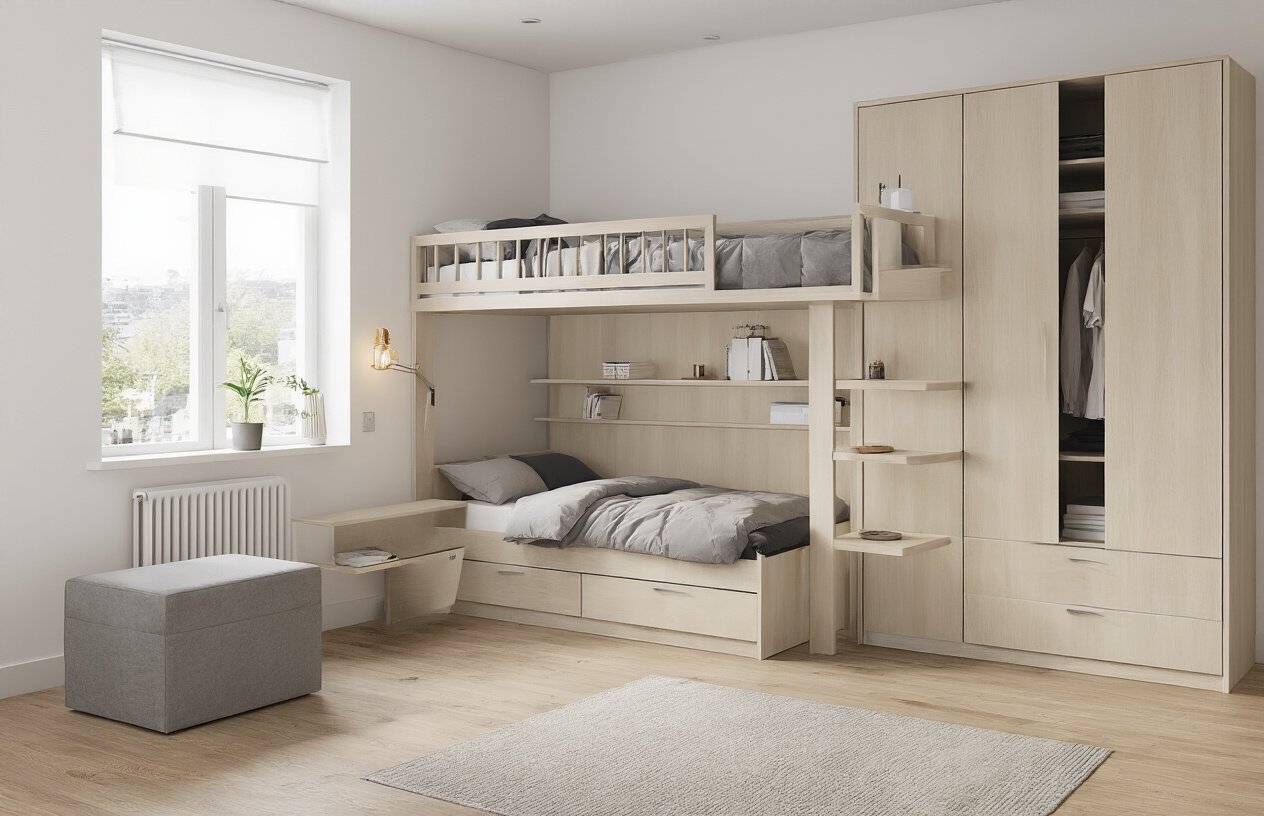
Loft bed designs with workspace underneath
Loft beds maximize vertical space by elevating your sleeping area and creating valuable real estate underneath. Modern designs go beyond basic college dorm setups, offering sophisticated solutions that include full workstations, reading nooks, or even mini living rooms below.
Adult-friendly loft beds feature sturdy metal or wood construction that can support significant weight while maintaining stability. The space underneath becomes a dedicated work zone with built-in desks, ergonomic lighting, and storage solutions specifically designed for the area’s dimensions.
Popular configurations include:
- Full desk setups with hutches and drawer systems
- Lounge areas with comfortable seating and side tables
- Walk-in closet spaces with hanging rods and shoe storage
- Mini entertainment centers with TV mounting options
The key advantage is creating distinct zones within a single room. Your sleeping area feels separate and private, while the lower level functions as a productive workspace or relaxation zone. This vertical approach works especially well in rooms with high ceilings, where you can create two functional levels without feeling cramped.
Safety features like sturdy guardrails, wide ladders with non-slip steps, and proper weight distribution make these beds practical for adults, not just children.
Wardrobe systems with sliding mirror doors
Sliding mirror wardrobes serve triple duty as clothing storage, space enhancers, and room dividers. The mirror surface creates an illusion of doubled space while providing full-length reflection for getting dressed, making small bedrooms feel significantly larger.
Modern sliding systems operate on smooth ball-bearing tracks that require minimal effort to open and close. Unlike traditional hinged doors that need clearance space to swing open, sliding doors move parallel to the wall, saving precious floor space that can be used for other furniture or simply kept clear for better traffic flow.
Interior organization systems have become increasingly sophisticated, featuring:
- Adjustable shelving that adapts to your storage needs
- Double hanging rods for maximizing vertical space
- Pull-out drawers for small items and accessories
- Specialized compartments for shoes, ties, and jewelry
Many systems include soft-close mechanisms that prevent slamming and reduce noise, making them ideal for shared living spaces. The mirror panels also reflect natural light throughout the room, reducing the need for additional lighting during daytime hours.
Custom configurations allow you to choose panel combinations – perhaps one solid panel and one mirror, or alternating patterns that match your room’s aesthetic while maintaining the space-enhancing benefits of reflective surfaces.
Implementation Tips for Choosing Right Multifunctional Pieces
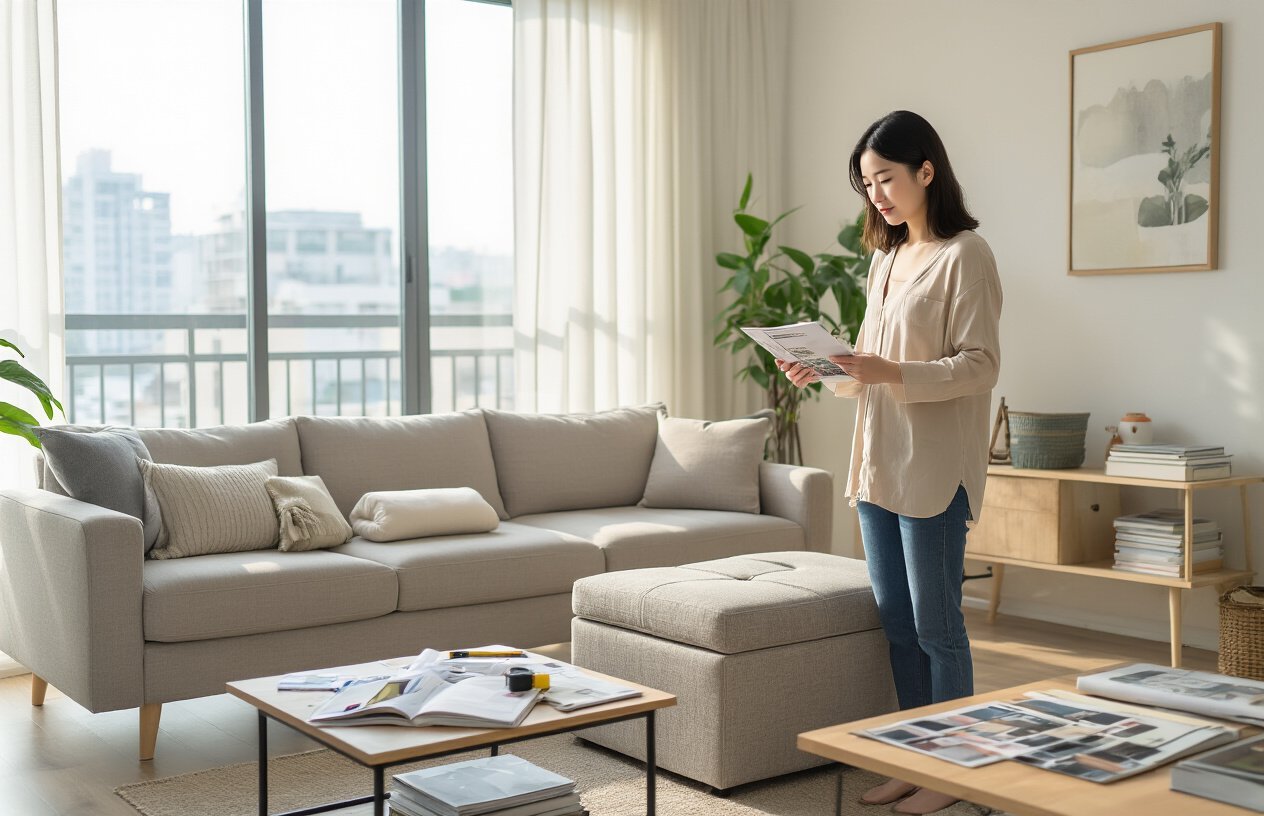
Measuring and planning before purchasing
Getting the dimensions right makes the difference between a perfect fit and an expensive mistake. Start by mapping out your room using a measuring tape and graph paper, noting the exact dimensions of doorways, hallways, and tight corners. Create a scaled floor plan that includes windows, electrical outlets, and existing furniture placement.
Don’t forget vertical space measurements – ceiling height affects how tall storage units you can accommodate. Measure twice, buy once applies especially to multifunctional furniture since these pieces often have specific dimensional requirements for their transforming mechanisms.
Consider traffic flow patterns around your planned furniture placement. A convertible dining table needs clearance space for extension, while a murphy bed requires adequate floor space for safe operation. Document these measurements digitally using smartphone apps like MagicPlan or traditional paper sketches for easy reference while shopping.
Quality assessment for long-term durability
Multifunctional furniture works harder than regular pieces, so quality construction becomes critical. Check weight ratings carefully – a storage ottoman that doubles as seating should handle at least 250 pounds safely. Examine hinges, slides, and moving mechanisms for smooth operation without wobbling or resistance.
Look for solid wood construction or high-quality engineered wood rather than particle board, especially for pieces with moving parts. Metal components should show no rust spots or sharp edges. Test all functions multiple times in the store – fold, extend, rotate, and open every feature to ensure smooth operation.
Read warranty terms carefully since multifunctional pieces have more components that could fail. Quality brands typically offer at least 2-3 year warranties covering mechanisms and hardware. Check customer reviews specifically mentioning long-term use patterns rather than just initial impressions.
Style coordination with existing decor
Multifunctional pieces should blend seamlessly rather than announce themselves as space-saving solutions. Choose finishes that complement your current color palette – neutral tones like gray, white, or natural wood work well across different decorating styles.
Consider your room’s dominant design theme when selecting pieces. Modern minimalist spaces benefit from clean lines and hidden storage, while traditional rooms can accommodate ornate multifunctional pieces with visible hardware. Mixed-material designs featuring wood and metal work particularly well in transitional spaces.
Create visual cohesion by matching hardware finishes across different multifunctional pieces. Brushed nickel, matte black, or brass accents should coordinate with existing cabinet pulls, light fixtures, and decorative accessories. Avoid buying everything from the same furniture line – mixing compatible pieces creates more interesting, personalized spaces.
Budget-friendly sourcing strategies
Smart shopping timing can save substantial money on quality multifunctional furniture. End-of-season sales, typically in January and August, offer the best pricing on furniture retailers’ previous season inventory. Memorial Day and Labor Day weekends frequently feature significant furniture discounts.
Explore alternative sourcing options beyond traditional furniture stores. Facebook Marketplace, Craigslist, and estate sales often have unique multifunctional pieces at fraction of retail prices. Check dimensions and test mechanisms thoroughly before purchasing used pieces.
Consider DIY modifications to existing furniture as a budget alternative. Simple additions like casters, hinges, or storage compartments can transform regular furniture into multifunctional pieces for under $50. IKEA hacking communities provide countless tutorials for modifying basic pieces into custom multifunctional solutions at significantly lower costs than custom-built alternatives.
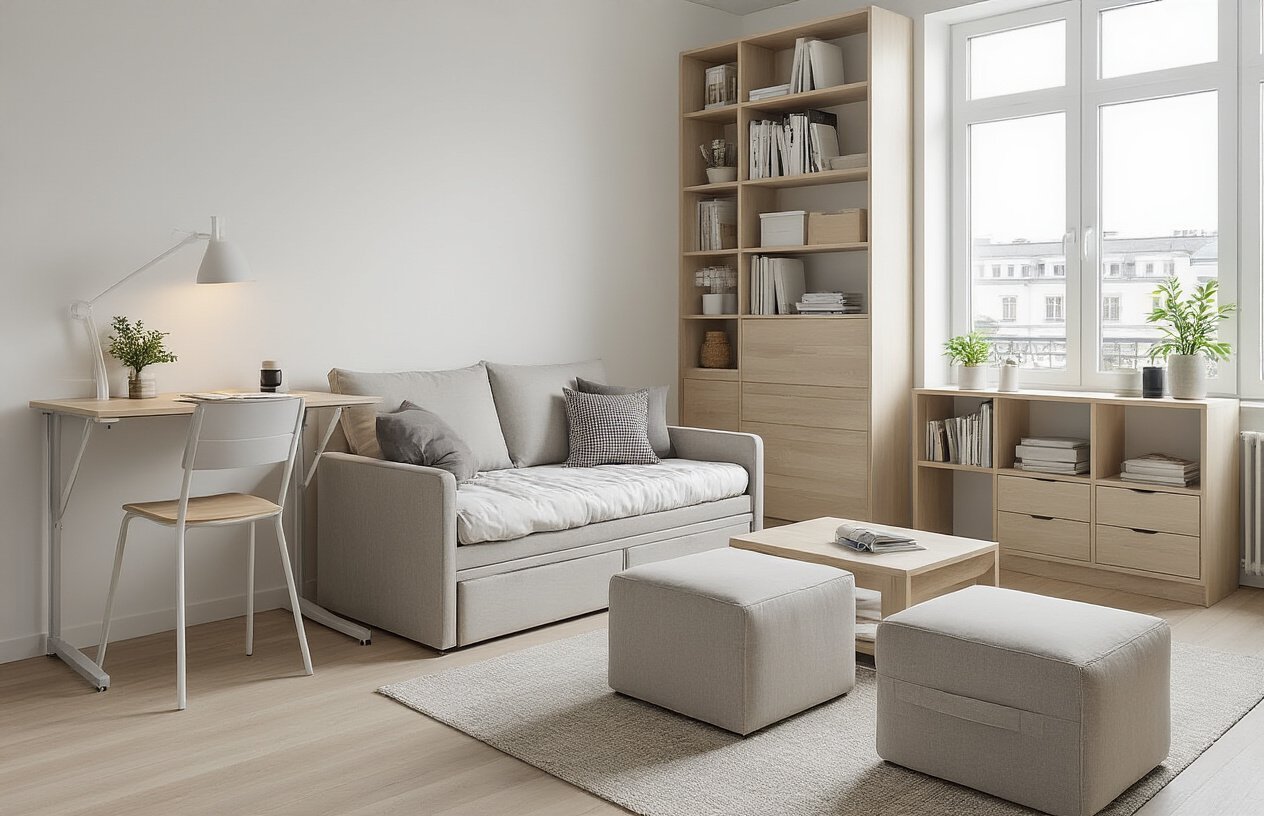
Living in a small apartment doesn’t mean sacrificing comfort or style. Smart multifunctional furniture can completely transform your space, giving you the storage and functionality you need while keeping things looking clean and organized. From convertible seating that turns into beds to kitchen solutions that hide storage in plain sight, these furniture pieces work double duty to make every square foot count.
The key is choosing pieces that match your lifestyle and actual needs rather than buying furniture just because it looks clever. Start with one or two multifunctional items and see how they work for you before completely overhauling your space. With the right approach, your small apartment can feel spacious, organized, and perfectly suited to how you actually live.